Applied Behavior Analysis (ABA) has evolved into a flexible, outcomes-driven field with multiple delivery formats. Among the most discussed ABA service models are in-home ABA therapy and clinic-based ABA services. While each has its merits, natural environment teaching (NET) delivered in the home offers compelling advantages for many learners, particularly when goals focus on independence, daily living, and behavior generalization. This article explores why home-based autism therapy often maximizes impact, how it compares to a structured therapy setting, and what families should consider when choosing ABA therapy locations.
In-home ABA therapy brings the learning process into the child’s daily world. Natural environment teaching (NET) is built on the principle that learners acquire and maintain skills more readily when taught in the context where they will use them. From morning routines to mealtime, siblings, and preferred toys, home life provides immediate, meaningful motivators that drive engagement. Instead of contrived scenarios, therapists shape communication, play, and problem-solving during real tasks. This context-rich approach supports the transition from learning to doing—right where it matters.
By contrast, clinic-based ABA services typically leverage a structured therapy setting with standardized materials, controlled stimuli, and predictable routines. This can be ideal for certain goals, such as initial skill acquisition, intensive discrete trial training, or when a child benefits from minimized distractions. The clear boundaries and repetition foster consistency, and clinics often give access to a broader array of clinicians and equipment. However, the very strengths of a clinic—its control and structure—can become barriers when the primary objective is behavior generalization to home, school, or community life.

Behavior generalization is a cornerstone of effective ABA. Skills gained in a therapy room should endure and transfer to new people, places, and situations. Home-based autism therapy streamlines this process. If a child learns to request help while dressing in their own bedroom with their own clothing, the step to independent dressing is shorter and sturdier. Likewise, feeding skills developed at the family table during a typical breakfast translate directly to daily success. When NET is embedded in household routines, caregivers see and practice the strategies alongside the therapist, accelerating consistency outside of sessions.
Parent involvement ABA is another decisive advantage of home services. Families are not just observers; they become active collaborators. In-home sessions turn daily interactions into teachable moments, and caregivers receive live coaching on prompting, reinforcement, and data collection. This hands-on approach builds caregiver competence and confidence, which is crucial for maintaining progress between sessions. The result is a unified team that can apply strategies during transitions, bedtime, or community outings—times when clinic-based guidelines can be harder to implement without direct modeling.

Still, the structured therapy setting has distinct benefits in a therapy setting comparison. Some learners make rapid progress in quieter, distraction-reduced spaces where attention demands can be carefully increased. Clinics may also facilitate peer interaction groups, behavior assessments under controlled conditions, and access to specialized equipment. For children whose challenges are exacerbated by environmental chaos, clinic-based ABA services can provide a stable starting point. The key is recognizing that the setting should match the goal and the learner’s profile, not a one-size-fits-all preference.
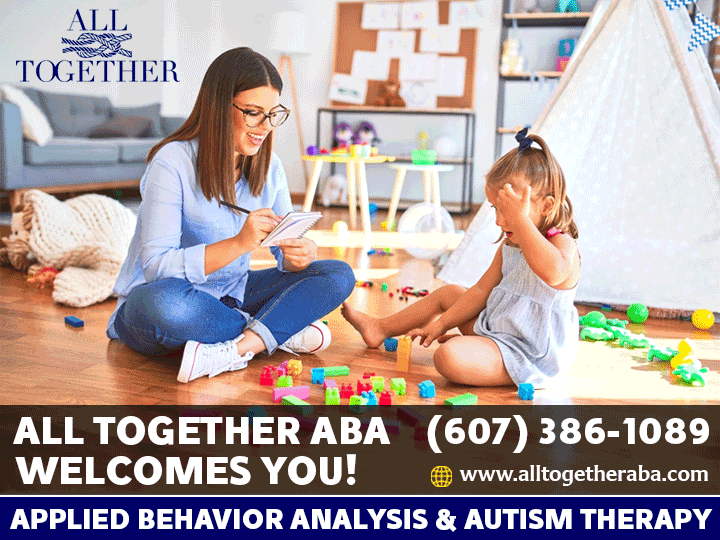
Natural environment teaching is particularly strong for functional communication, self-help, and adaptive behavior. Consider a few examples:
- Communication: Requesting a snack, asking for a break, or answering a sibling in the moment—NET captures motivation when it naturally occurs. Daily living: Brushing teeth, packing a backpack, or sorting laundry are best taught where the items and routines already exist. Play and social skills: Playing board games with family members, taking turns, and sharing toys in the home reflect the learner’s typical social landscape. Behavior supports: Challenging behavior often occurs where demands are real; teaching replacement behaviors in the same context increases success.
From a practical standpoint, in-home ABA therapy reduces the need for travel and scheduling around commute times, potentially increasing the consistency of attendance. It also ensures that goals are physically feasible; for example, organizing a bedroom or following a visual schedule in the living room can be coached and tested immediately. Data collected in the home often reflect the child’s authentic performance, guiding more precise adjustments to intervention plans.
That said, an optimal approach often blends ABA service models. Many providers offer hybrid options: initial skill acquisition or problem behavior analysis in a clinic, followed by generalization work through home-based autism therapy. Some learners benefit from a clinic for specific goals (e.g., toilet training protocols that start in a controlled space), then shift to natural environment teaching at home for carryover. Families can also leverage community-based sessions to extend generalization to parks, stores, or libraries.
Selecting among ABA therapy locations should be a collaborative process:
- Clarify goals: Are you prioritizing independence in routines, social engagement with siblings, or skill fluency under minimal distractions? Assess learner needs: Does the child thrive with structure or engage better with naturally motivating activities? Plan for generalization: If starting in a clinic, when and how will skills be practiced at home and in the community? Prioritize caregiver training: Ensure parent involvement ABA is embedded, with measurable training goals and ongoing feedback. Review logistics: Consider consistency, scheduling, and how disruptions (illness, holidays) will be managed in each environment.
Quality matters more than setting alone. Effective programs in any environment include individualized goals, ongoing data collection, frequent progress reviews, and meaningful caregiver collaboration. Look for providers who can articulate why a particular setting best matches your child’s objectives and who will adapt the plan as needs evolve.
In sum, natural environment teaching taps https://jsbin.com/mecohedaco into the advantages of learning in the spaces and moments that define a child’s life. In-home ABA therapy tends to accelerate behavior generalization, deepen caregiver participation, and anchor skills in daily routines. Clinic-based ABA services remain valuable for structured learning, controlled assessments, and certain intensive interventions. The strongest outcomes often come from a thoughtful therapy setting comparison and a flexible plan that leverages the best of both environments. When families, therapists, and settings align, children gain not just skills but independence that lasts.
Questions and Answers
Q1: How do I know if my child is better suited for in-home ABA therapy or a clinic? A: Start with your goals. If generalizing skills to routines like mealtime, dressing, or sibling play is a priority, home-based autism therapy with natural environment teaching is often ideal. If your child needs a highly structured therapy setting to build foundational skills or reduce distractions, clinic-based ABA services may be a strong starting point. A comprehensive assessment can guide the decision.
Q2: Can we combine clinic and in-home services? A: Yes. Many ABA service models use a hybrid approach: acquire skills in a clinic, then generalize them at home. This sequence leverages structure for learning and the natural environment for maintenance and independence.
Q3: How does parent involvement ABA work in the home? A: Caregivers receive live coaching on prompting, reinforcement, and preventing challenging behavior during real routines. Therapists model strategies, then transfer responsibility to parents with feedback and data to support consistency.
Q4: Will NET still address academic or fine-motor skills? A: NET can target these areas by embedding tasks into daily activities—writing a grocery list, sorting utensils, or playing games that require pincer grasp. If specialized materials are needed, therapists can integrate them while keeping teaching functional and context-driven.
Q5: What signs show that behavior generalization is happening? A: You’ll see skills used with different people, in various rooms, at different times of day, and without prompts. Data should show stable performance across settings and routines, not just during sessions.